

Zellige Tile: The Complete Guide to Handmade Moroccan Tiles
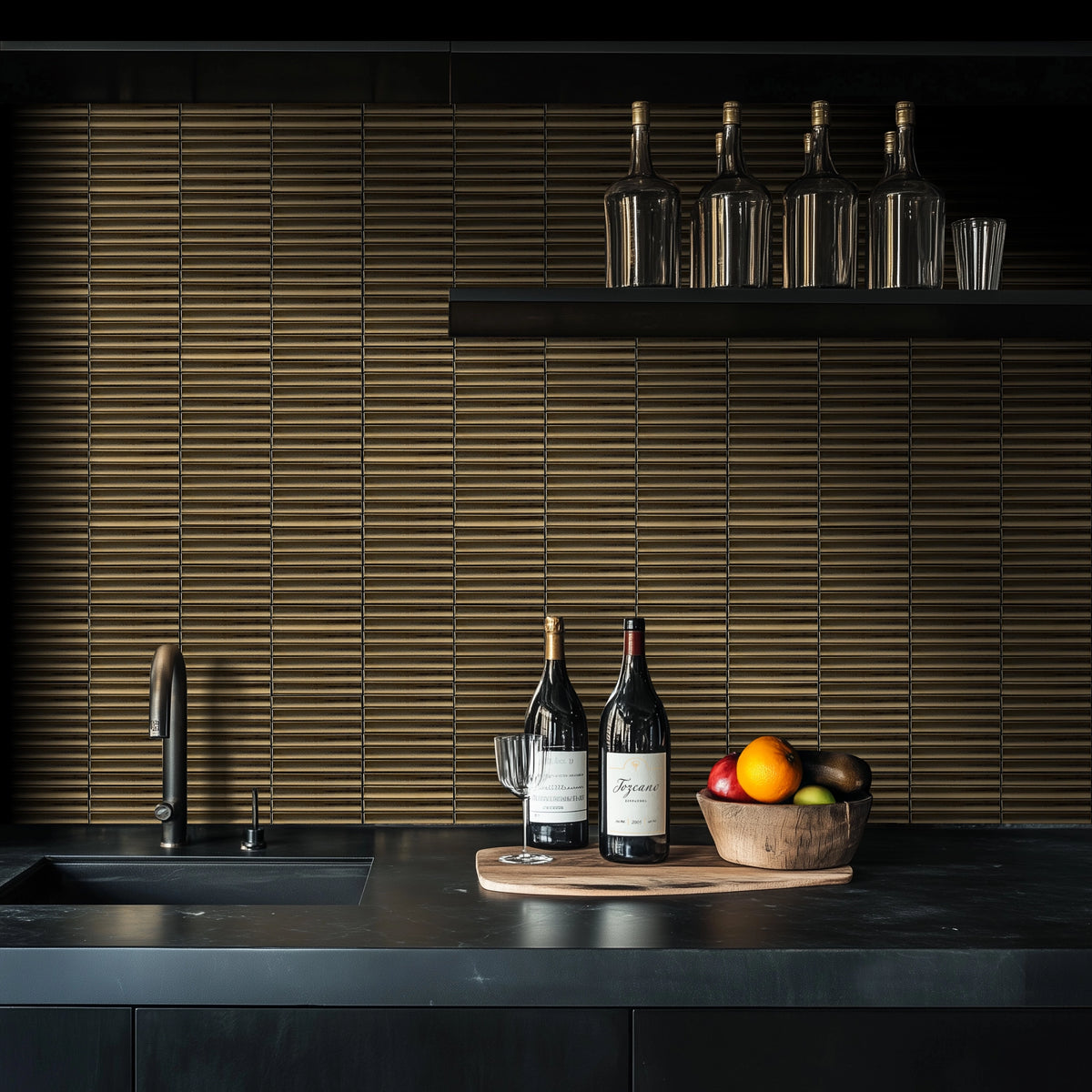
Zellige tiles have become one of the most desired finishes in modern design — loved by architects, designers, and homeowners for their handmade variation, luminous glaze, and organic charm. Whether used as a kitchen backsplash, bathroom wall, fireplace surround, or accent detail, Zellige delivers a one-of-a-kind look that mass-produced tile cannot replicate.
At Arda Ogan Tile Store, we curate premium Moroccan Zellige tiles in timeless sizes and colors, ready to ship across the U.S.
What Is Zellige Tile?
Zellige is a traditional Moroccan tile handcrafted from clay, kiln-fired, and glazed by artisans. No two tiles are exactly alike — each carries unique surface texture, glaze pooling, subtle chipping, waviness, and tone.
- 100% handmade look and feel
- Natural imperfections that create movement
- Glossy glaze that reflects light beautifully
- Rich range of earthy and modern colors
- Adds warmth and authenticity to any space
These characteristics make Zellige a favorite among designers seeking a lived-in, organic aesthetic that still feels elevated.
A Short History of Zellige
The word “Zellige” comes from the Arabic al-zillij, meaning “polished stone.” The craft took shape in Morocco as early as the 10th century, centered on the city of Fez, where artisans used hand-cut glazed tiles to decorate palaces, fountains, mosques, and courtyards — often in intricate geometric mosaics.
The skills of molding, cutting, and glazing are still passed down from generation to generation, which is why authentic Zellige keeps its handmade character today.
How Zellige Tiles Are Made
Every authentic Zellige tile goes through the same labor-intensive, hand-worked process:
- Clay selection and shaping: Local Moroccan clay is mixed and shaped by hand, then cut to size.
- Sun-drying and kiln-firing: Tiles dry naturally before they are fired in traditional kilns.
- Hand-glazing: Glaze is applied by hand, creating the characteristic depth, shine, and color variation.
- Final cutting: Each piece is chipped or cut into its final shape, including the small pieces used in mosaics.
The soft crackles in the glaze and the uneven edges that catch the light are not flaws — they are the signature of real Zellige.

Popular Zellige Sizes & Formats
Our Zellige Tile Collection includes the most specified formats for residential and boutique commercial projects:
- 4x4 Zellige – the classic square tile that feels artisanal and timeless.
- 2x6 Zellige – a modern elongated format that works beautifully in stacked or offset layouts.
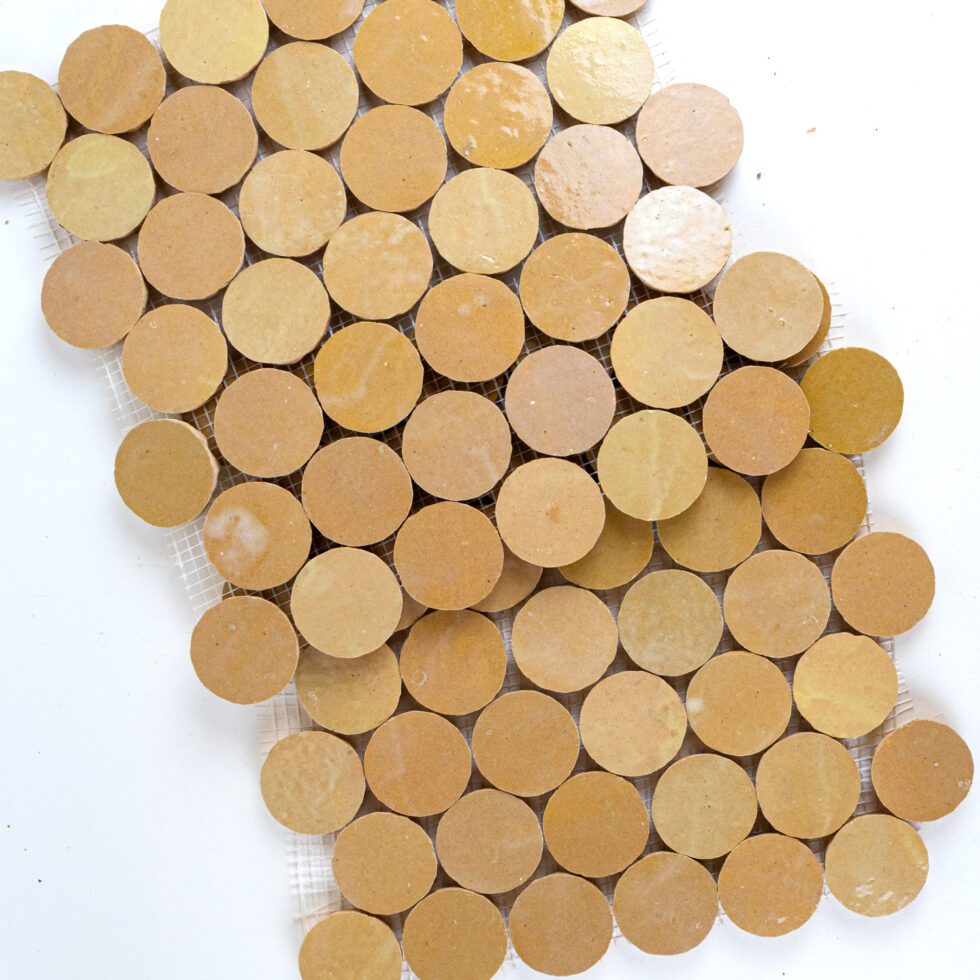
- Decorative mosaics & patterns – cross, papillon, tapis, and other Moroccan-inspired designs for feature walls.
Because the tiles are handmade, slight variations in thickness and size are expected — and part of the Zellige story. For a full comparison of formats, see Zellige Tile Sizes and Shapes.
Zellige Colors
Our handmade Zellige palette is inspired by nature and Moroccan tradition:
- Gentle ivories and off-whites for airy, luminous spaces
- Blues that echo Moroccan skies and the sea
- Earthy terracottas that feel warm and grounded
- Muted greens, sands, and rose tones that bring softness and warmth
Zellige Color Variation: What to Expect
Color is one of the most defining features of Zellige. Even within the same color and batch, tones shift from tile to tile.
- Shade and saturation change across the surface.
- Glaze may pool and appear lighter or darker at the edges.
- Surface texture and sheen vary naturally.
When your installer opens the boxes, the goal is not to match tiles perfectly, but to blend them into a visually rich, balanced field. Always review a dry layout before installation so you are comfortable with the combined variation.
Where to Use Zellige Tile
Because Zellige is glazed, it performs beautifully on indoor walls and low-impact surfaces, including:
- Kitchen backsplashes
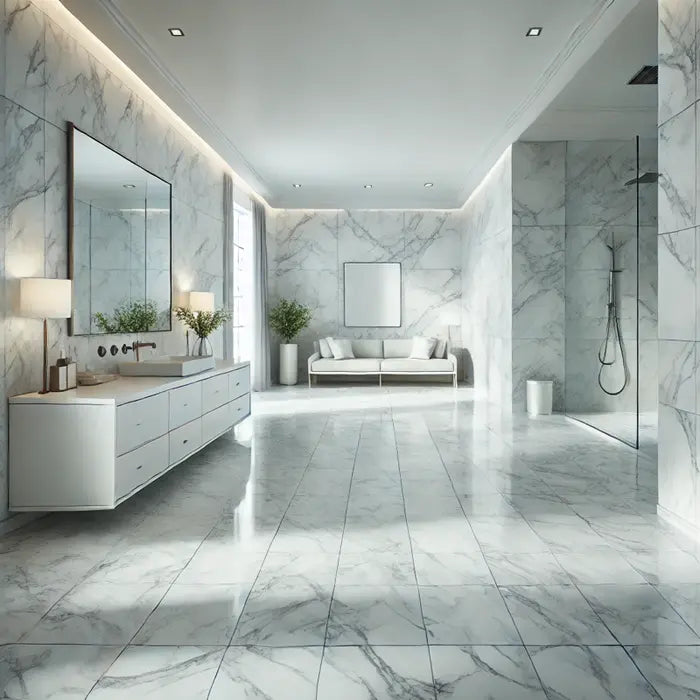
- Shower and bath walls (with proper waterproofing)
- Fireplace surrounds
- Bar fronts and niches
- Powder rooms and feature walls
- Entryway accent walls and mudrooms
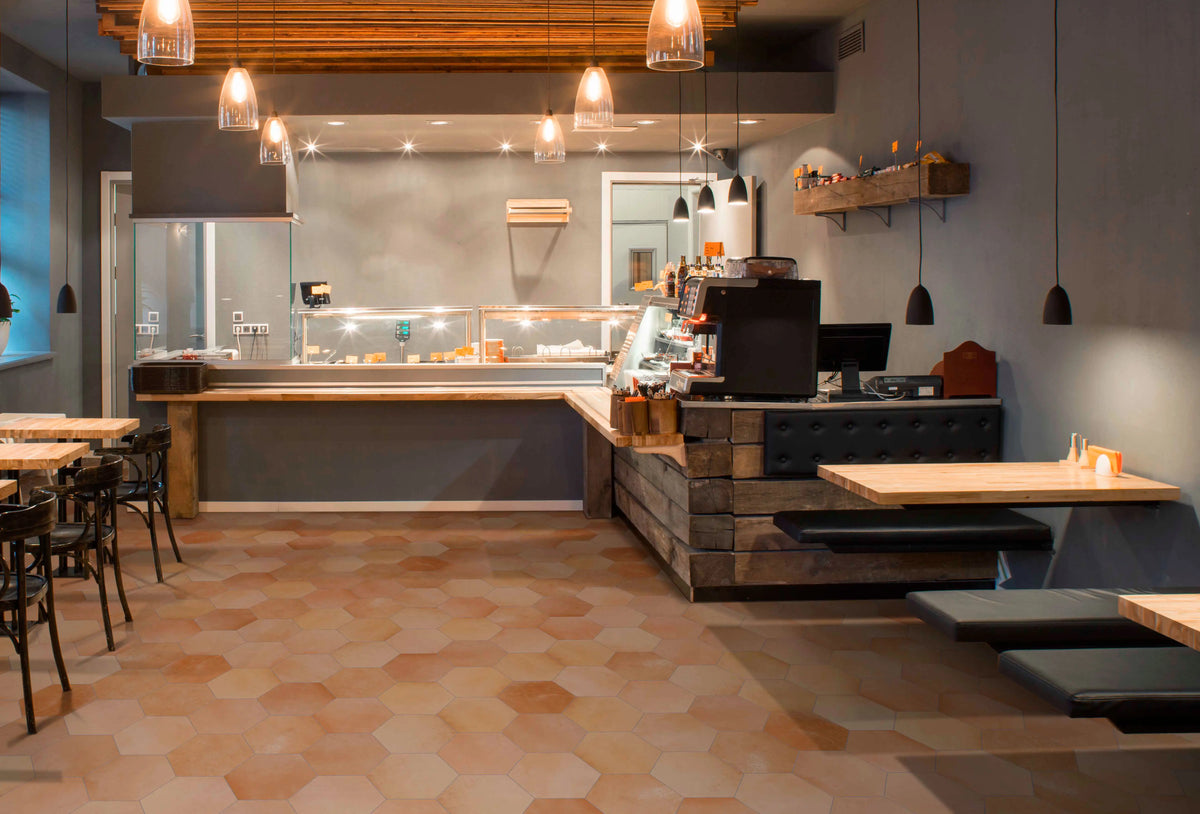
Zellige is typically not recommended for most floors, but thicker variants may be used in select low-traffic areas when your installer approves the application. Looking for inspiration? See our Zellige backsplash ideas.
Installation Tips for Zellige Tile
1. Expect Irregular Edges and Lippage
Zellige is not meant to look machine-perfect. Edges are slightly irregular, and some surface lippage is normal. A skilled installer will embrace this character rather than try to eliminate it.
2. Use Tight Grout Joints
Zellige is traditionally installed with very tight joints (often 1–2 mm). Because the tile edges are not perfectly straight, grout lines will naturally appear a bit varied — that’s part of the charm.
3. Blend All Boxes
Always open and blend tiles from every box before installation. This prevents one area from looking darker, lighter, or more textured than the rest.
4. Choose the Right Mortar
Use a high-quality white thinset mortar so the base color does not affect the glaze. Follow manufacturer guidelines for the substrate, especially in wet applications.
5. Coordinate with Your Designer or Architect
Because Zellige carries such a strong visual presence, it pairs beautifully with simpler countertops, cabinets, and fixtures. Share samples with your design team early in the process.
For step-by-step details on layout, grout color, sealing, edges, and cleaning, read our Zellige Installation Guide.
Caring for Zellige Tile
- Wipe surfaces with a soft cloth and a mild, pH-neutral cleaner.
- Avoid abrasive pads and harsh cleaners that can scratch the glaze.
- In showers and other wet areas, seal exposed clay and grout and keep the space well ventilated.
Zellige-Inspired Ceramic & Porcelain Options
If you love the handcrafted look but need easier maintenance or floor-rated performance, explore our Zellige-inspired series:
- Zellige Charm Semi-Gloss Ceramic Collection – wall tiles with a softly irregular surface and semi-gloss finish.
- Fez Zellige-Inspired Tile Collection – colorful ceramic and porcelain tiles that capture the spirit of Moroccan design.
Not sure which to choose? Compare them in Zellige vs Ceramic Tiles.
Frequently Asked Questions About Zellige
Are the imperfections in Zellige normal?
Yes. Color variation, softly chipped edges, pits, and glaze differences are part of Zellige’s handmade character.
Can Zellige be used on floors?
Zellige is best suited for walls, backsplashes, and decorative features. For floors and heavy traffic, choose natural stone or porcelain.
Can Zellige be used in pools or submerged areas?
No. Zellige is not recommended for pools, shower pans, or any underwater application.
Can I order Zellige samples?
Yes. Samples are $19.90 per piece with free shipping, and the sample cost is credited toward a full order placed within 60 days. Request samples here.
Is Zellige Right for Your Project?
Choose Zellige if you want a surface that feels handcrafted, luminous, and full of character. It is ideal for clients who appreciate variation and a “perfectly imperfect” aesthetic.
When you are ready to start, explore the full Zellige Tile Collection or contact Arda Ogan for guidance on sizing, layout, and quantities for your project.

Leave a comment
This site is protected by hCaptcha and the hCaptcha Privacy Policy and Terms of Service apply.