

Porcelain vs Natural Stone Tiles: Which Is Better for Your Project?
Choosing between porcelain and natural stone is one of the most important decisions in any tile project. Both materials can deliver beautiful, long-lasting results, but they behave differently over time. This guide explains the key differences and helps you decide whether porcelain or natural stone is the better fit for your space.
At Arda Ogan Tile Store, we source and manufacture both categories — from our Premium Marble Tiles & Slabs and Natural Stone Mosaics & Liners to our curated Porcelain & Ceramic Collections.
1. Appearance: Natural vs Manufactured
Natural Stone Tiles
Marble, travertine, limestone, and onyx are quarried from the earth and cut into tiles. Veining, color shifts, and mineral movement are completely natural.
- Unique, one-of-a-kind patterns
- Depth and translucency that cannot be fully replicated
- Timeless, luxury look associated with high-end design
Porcelain & Ceramic Tiles
Porcelain and ceramic are manufactured materials. Pigments and glazes are applied to create everything from concrete looks to ultra-realistic marble visuals.
- More consistent pattern and color from tile to tile
- Endless design possibilities, including wood and stone looks
- Great for modern, graphic, or highly controlled aesthetics
Summary: Choose natural stone when you want authentic movement and natural variation; choose porcelain when you need predictability and repeated patterns.
2. Durability & Performance
Natural Stone
- Very durable when installed and sealed correctly.
- Some stones (like marble and limestone) are softer and can etch or scratch with acids or heavy wear.
- Best used where its character can develop gracefully over time.
Porcelain
- Extremely dense and low-absorption.
- Excellent resistance to scratches, stains, and moisture.
- Ideal for high-traffic floors, commercial spaces, and outdoor areas (when rated for exterior use).
Summary: Porcelain generally wins for pure durability, especially in demanding environments. Natural stone brings elegance and value where a more refined finish is desired.
3. Maintenance & Sealing
Natural Stone
- Requires sealing during installation and periodic resealing.
- Clean with pH-neutral products designed for stone.
- Acidic cleaners and spills (like lemon juice or vinegar) can etch marble and limestone.
Porcelain & Ceramic
- Typically do not require sealing on the tile surface.
- Grout lines still benefit from a sealer for stain resistance.
- Easy to maintain with standard non-abrasive cleaners.
Summary: If you want the lowest maintenance option, porcelain and ceramic are the clear winners. Natural stone is best for clients who appreciate the ritual of caring for a premium material.
4. Cost Considerations
Material cost
- Natural stone is often more expensive per square foot, especially premium marbles and onyx.
- Porcelain and ceramic generally offer lower material cost, even in large-format sizes.
Installation cost
- Natural stone usually carries slightly higher labor costs due to weight, cutting, and layout considerations.
- Porcelain can be easier to install, though large-format tiles still require expert handling.
Summary: Porcelain is typically more budget-friendly; natural stone is an investment in long-term value and aesthetic impact.
5. Resale Value & Design Impact
Natural stone has a strong association with luxury real estate. A well-designed marble bathroom, travertine floor, or limestone fireplace can increase perceived property value and appeal.
Porcelain rarely carries the same emotional impact, but its durability and low maintenance are major selling points for busy households and commercial buyers.
6. When to Choose Natural Stone
Natural stone from collections like Premium Marble Tiles & Slabs and our specialty stone series is ideal when you want:
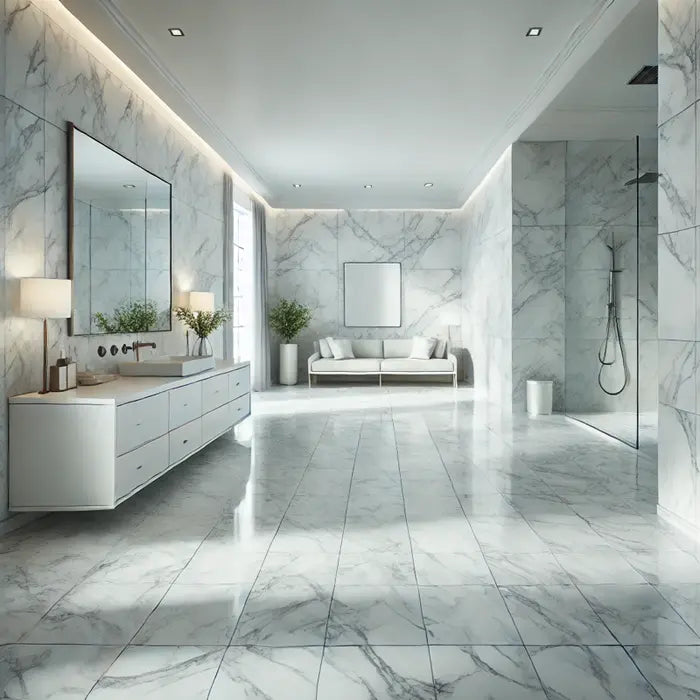
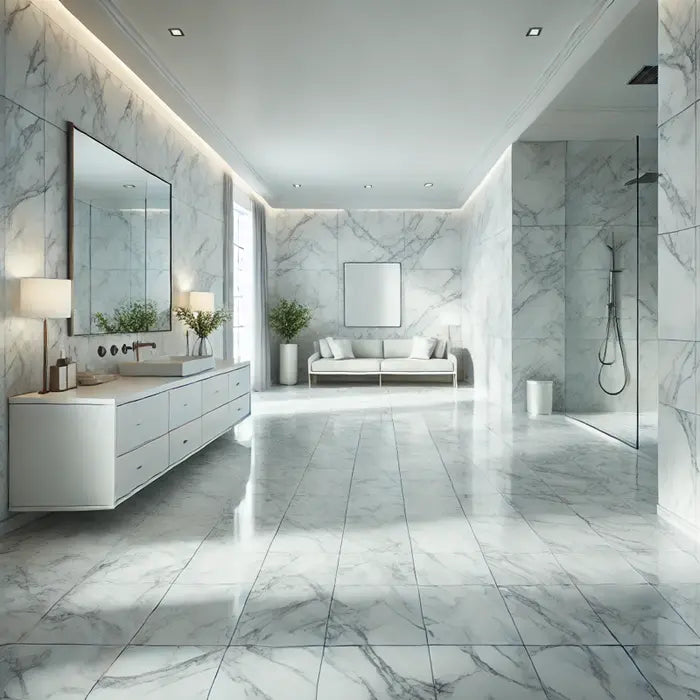
- Luxury bathrooms and spa-like showers
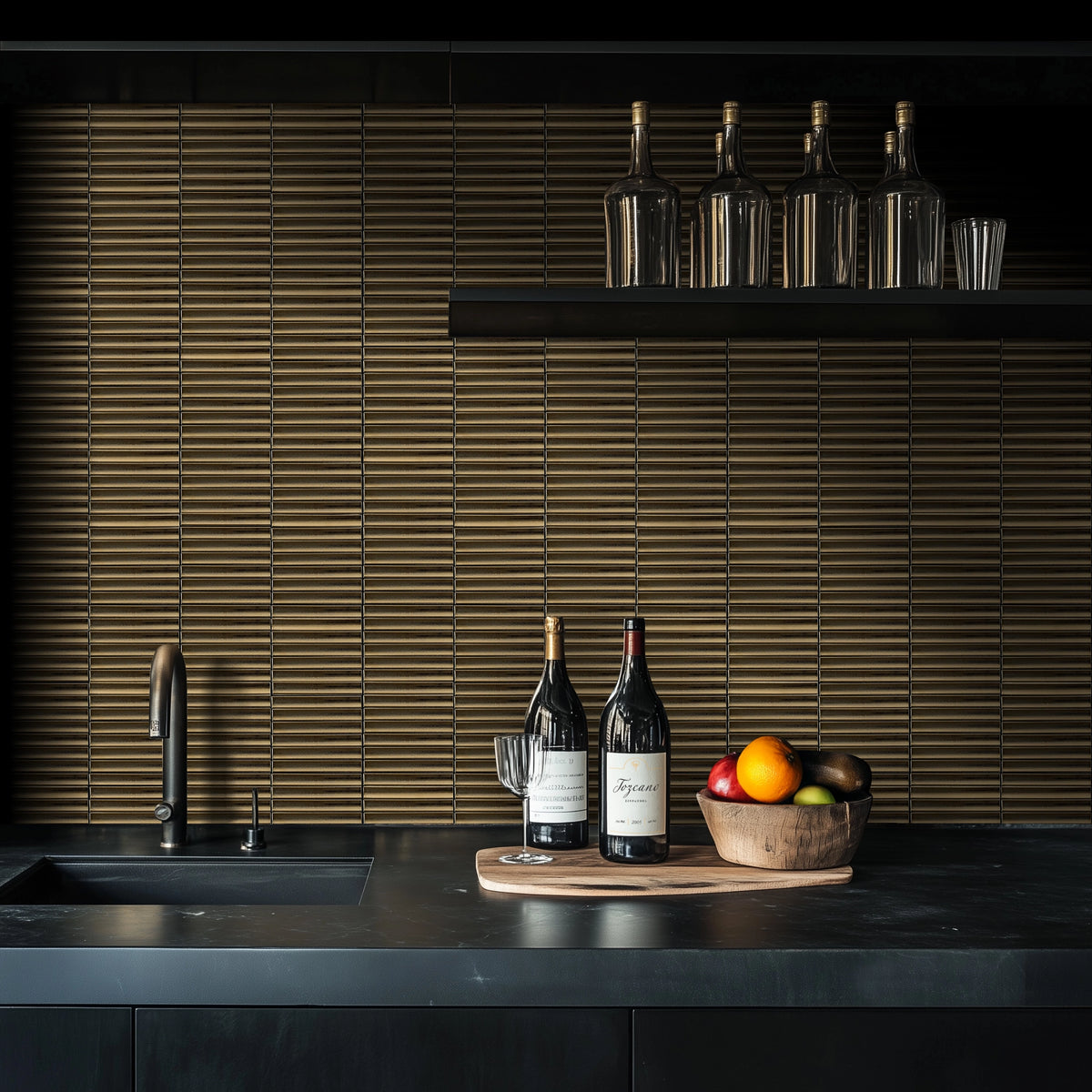
- Statement kitchen backsplashes or islands
- Formal entryways and grand staircases
- Fireplace surrounds and feature walls
- Bespoke designer projects with custom sizes and finishes
7. When to Choose Porcelain or Ceramic
Our Porcelain & Ceramic Collections are often the smarter choice when you need:
- High-traffic commercial flooring
- Family kitchens, mudrooms, and laundry rooms
- Outdoor patios and pool decks (using frost-resistant, slip-rated options)
- Rental properties or hospitality projects where low maintenance is key
- Bold colors and patterns, or stone looks with easier care
Blending Both for the Best Result
Many of the most successful projects combine natural stone and porcelain strategically. For example:
- Marble feature walls with coordinating porcelain floors.
- Natural stone mosaics or trims from our Natural Stone Mosaics & Liners Collection paired with durable porcelain field tile.
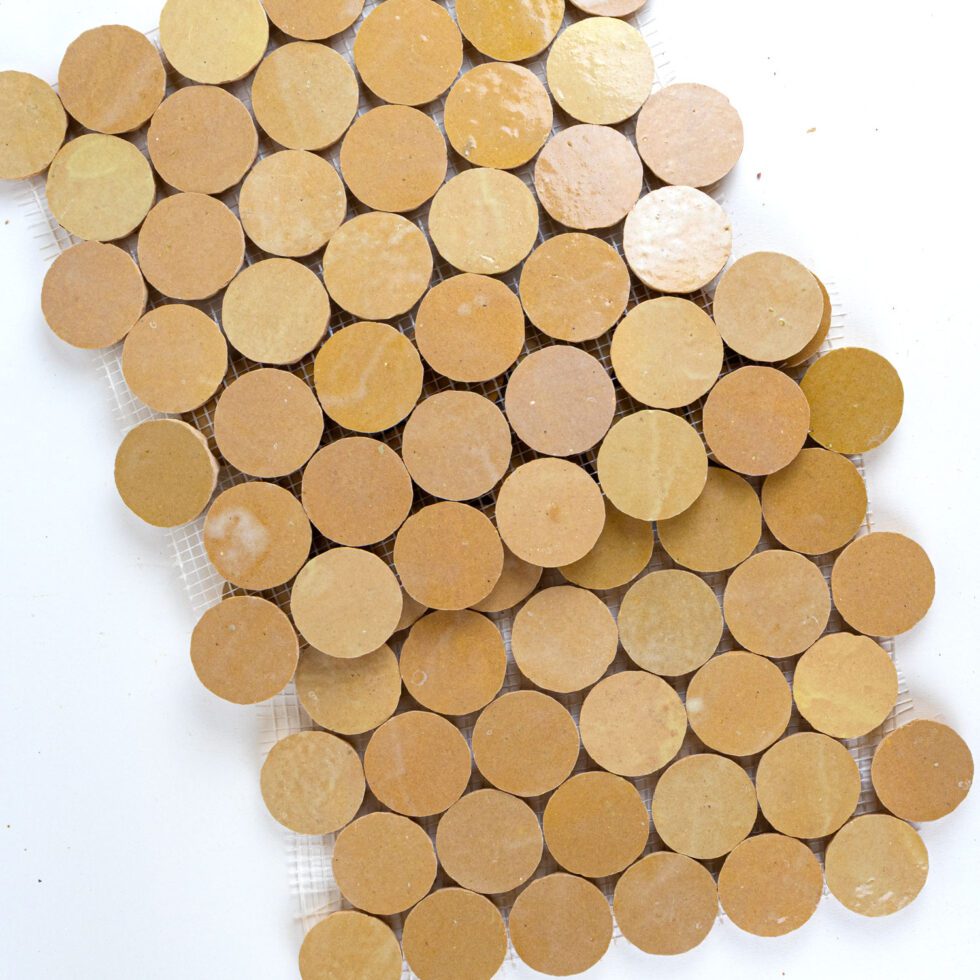
- Zellige or marble accents in a shower with porcelain base and floor for performance.
So, Which Is Right for You?
If you value authenticity, unique veining, and a high-end look that ages gracefully, choose natural stone. If your priority is durability, ease of maintenance, and budget, porcelain and ceramic will likely serve you better.
Still deciding? Share your drawings, photos, or inspiration with the Arda Ogan team. We can recommend a tailored mix of natural stone tiles and porcelain or ceramic options that fits your project’s performance needs, design language, and budget.

Leave a comment
This site is protected by hCaptcha and the hCaptcha Privacy Policy and Terms of Service apply.