


Shipping & Return
Shipping & Return
Shipping & Return
Refund
Refund
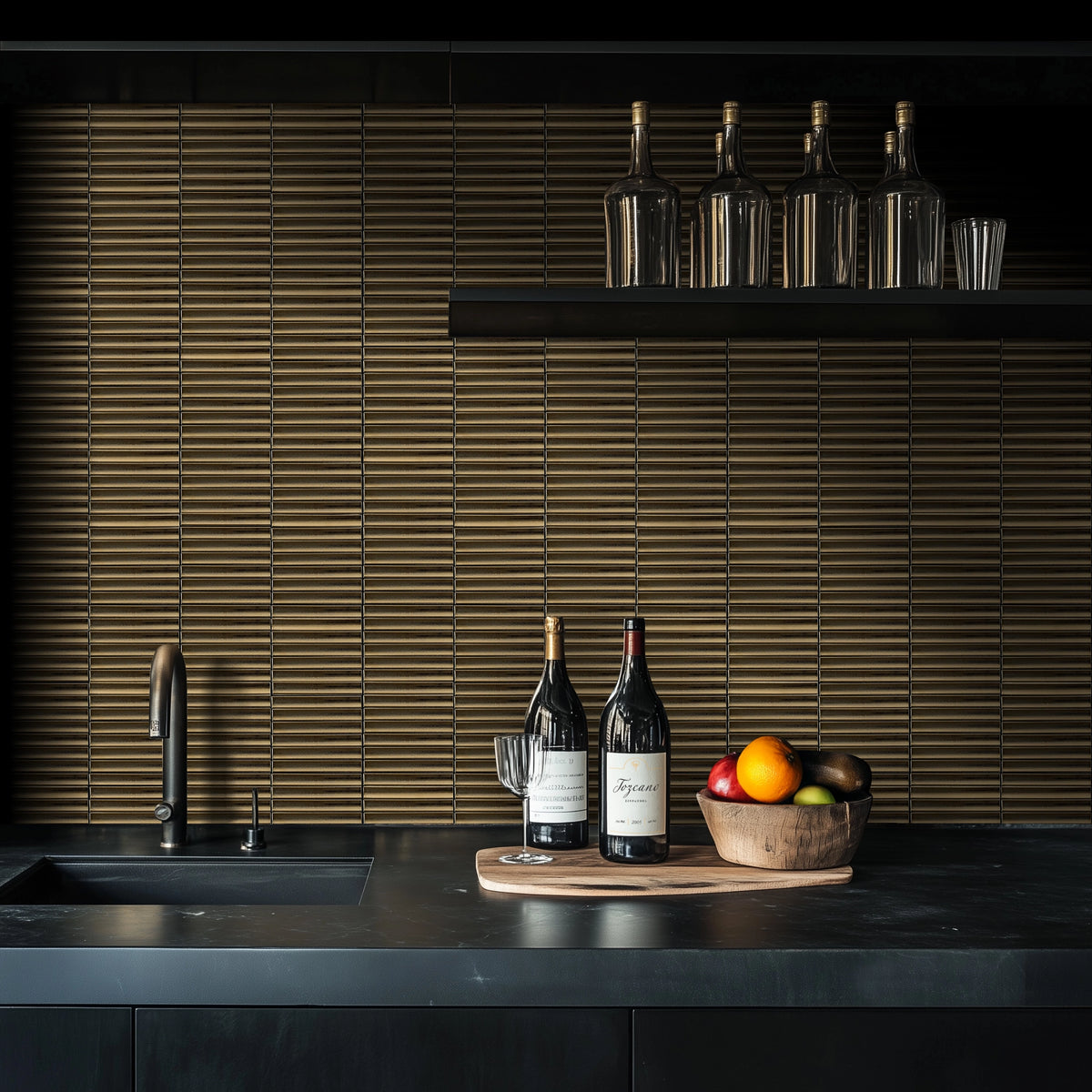
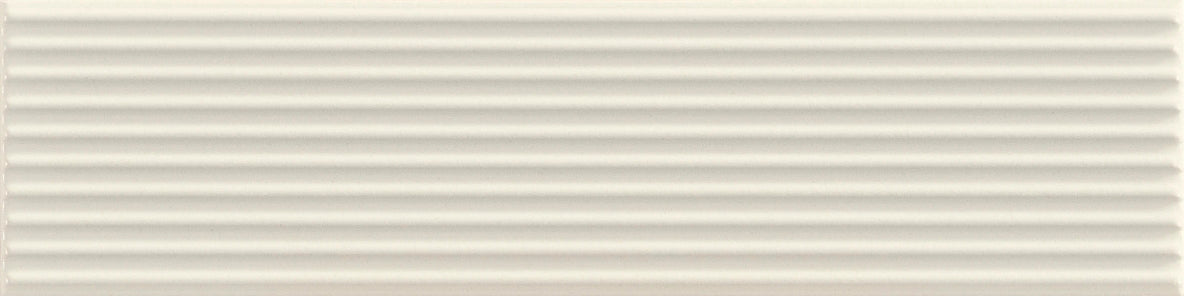
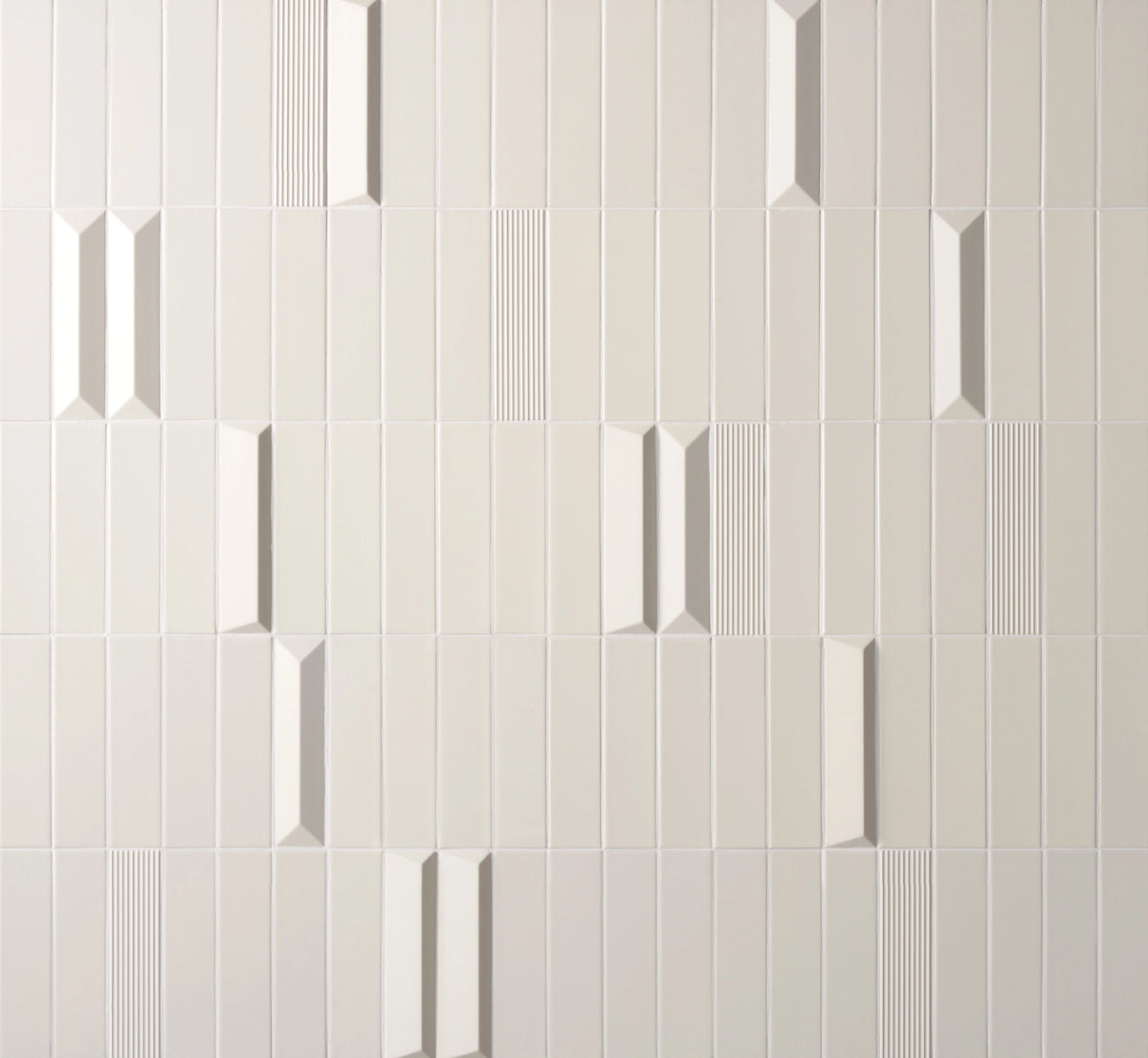
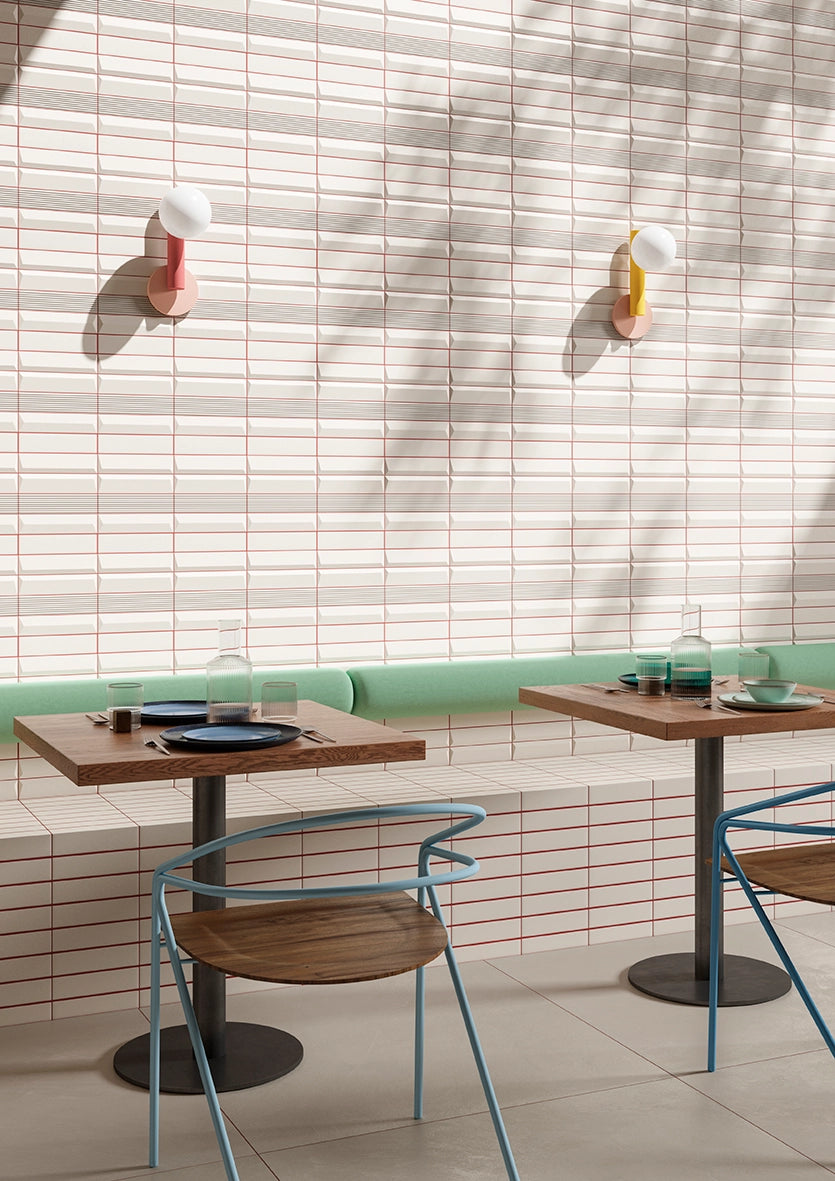
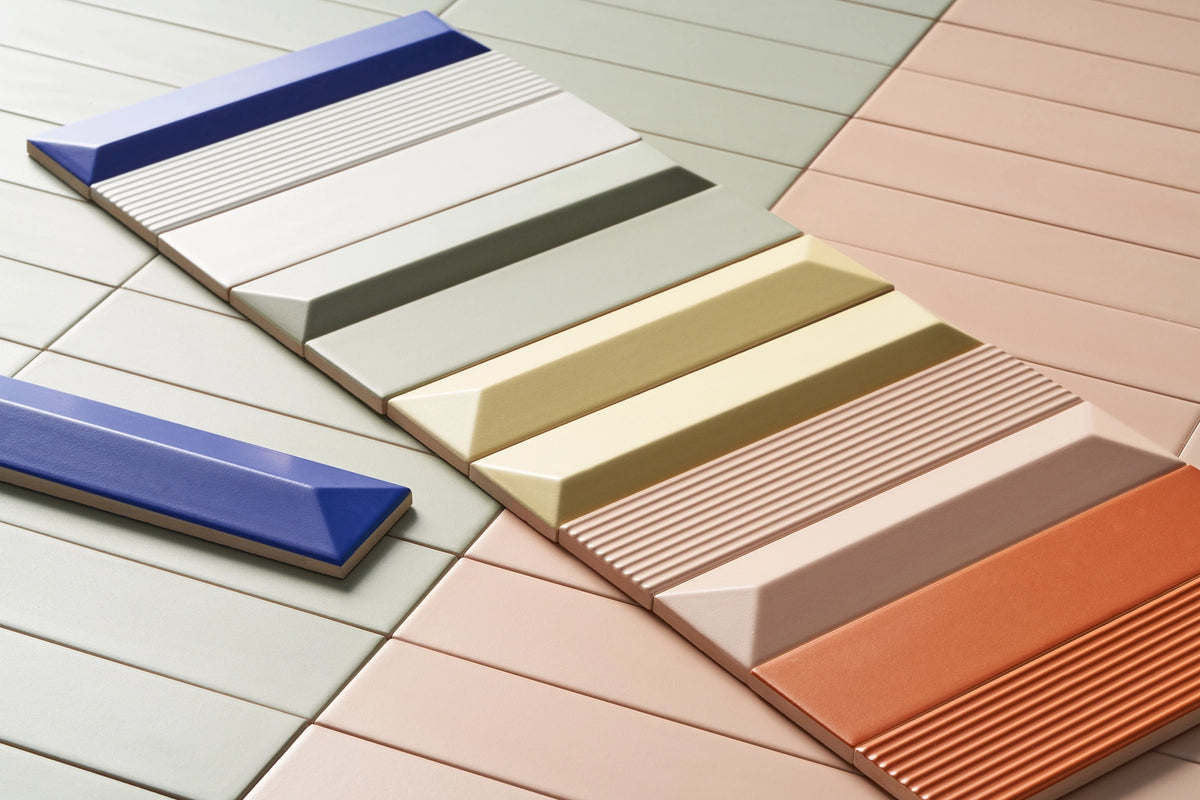
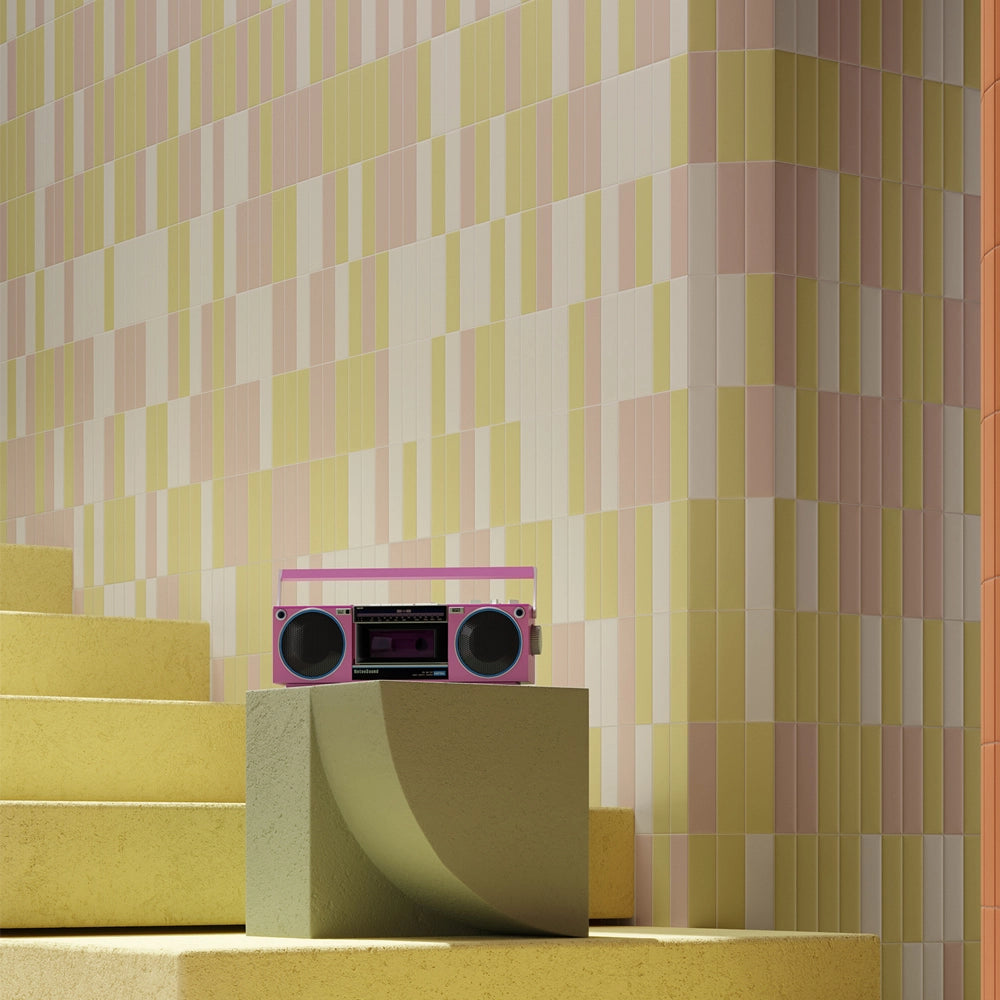
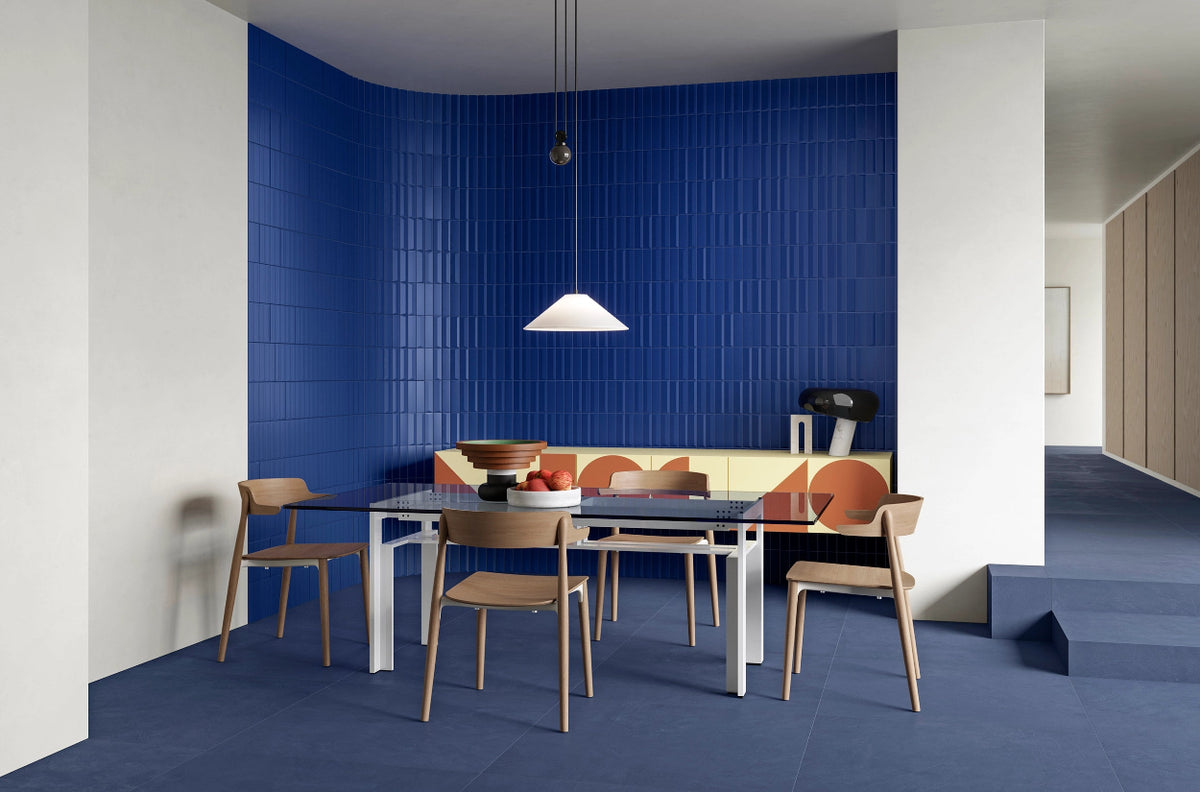
Transform your interiors with the Rhythm Textured Ceramic Wall Tiles
Designed to bring energy and elegance to your walls. These premium ceramic tiles come in a 2”x8” size format with four distinctive textures and seven captivating colors, allowing you to create unique and stylish spaces. Perfect for kitchens, bathrooms, and feature walls, this collection delivers modern sophistication and lasting durability.
Elevate your interiors with the Rhythm Textured Ceramic Wall Tiles. Select your preferred texture and color to create a wall design that reflects your unique style. Order today or request a sample to see the quality firsthand!
FAQs
Natural Stone
Natural Stone
Choosing the right tile can feel overwhelming—materials, finishes, slip considerations, sealing, and shipping logistics all matter. Below are clear answers to the questions we get most about natural stone, porcelain/ceramic, and handmade Zellige.
Ordering Math
How many square feet do I need?
Start with your measured area, then add an overage allowance for cuts, breakage, and future repairs: 10% for straight-lay installs, 15% for diagonal layouts, and 15–20% for patterns like herringbone/chevron, checkerboard, or rooms with lots of angles.
How do I calculate the number of boxes I need?
Measure length × width (in feet) to get total sq ft, then divide by the coverage per box listed on the product page. Round up to a full box, then add your overage (usually 10–15%).
How many sq ft are in a box?
Coverage varies by product and format. The exact sq ft per box is listed on each product page in the Specs/Coverage area (or near Add to Cart). If you send us your product link and total sq ft, we can help you convert it into boxes.
How many pieces per box?
Piece count depends on tile size and packaging. You’ll find the exact pieces per box on the product page in the Specs/Coverage area. For mosaics, coverage is often shown by sheet and sq ft per sheet/box. For trims, packaging may be listed in pieces or linear feet.
Material & Variation
Can natural stone tiles vary in color and texture?
Yes. Natural stone (marble, travertine, limestone, onyx) will vary in shade, veining, and movement—this is part of its character. For the most consistent blend, order your full quantity at the same time and dry-lay from multiple boxes during installation.
Are pits, holes, dry seams, or filled areas normal in travertine (and some stones)?
Yes. Many natural stones—especially travertine—can include pits and voids that are commonly factory-filled. Over time, some fill may loosen depending on use and maintenance, and touch-up filling can be part of normal upkeep.
Is Zellige supposed to be uneven?
Yes. Authentic Zellige is handmade, so variation in glaze movement, surface texture, edges, thickness, and flatness is expected. If you prefer a perfectly uniform surface, porcelain or machine-made ceramic may be a better fit.
Sealing & Care
Do I need to seal my tiles?
Natural stone should be sealed with a penetrating (impregnating) sealer to help reduce absorption and simplify maintenance. Porcelain and ceramic typically do not require sealing, though some installers choose to seal grout lines. Sealer type and reapplication schedule depends on material, finish, and location—follow installer guidance and sealer manufacturer instructions.
Do I need to seal Zellige?
Sealing depends on the application and installer preference. In many cases—especially wet areas (showers), high-splash backsplashes, or heavy-use zones—sealing may be recommended to simplify maintenance. Always follow installer guidance and sealer manufacturer instructions.
How do I maintain a polished marble floor?
Use a dust mop or soft vacuum regularly, clean with a pH-neutral stone cleaner, and avoid acidic products (like vinegar). Marble can etch from acids; sealing helps reduce absorption but doesn’t prevent etching. Follow installer care guidance for your specific finish and location.
Product Fit & Applications
Is this tile OK for a shower floor?
It depends on the tile’s finish, size, and intended rating. In general, shower floors perform best with smaller tiles and mosaics that create more grout lines for traction and follow slope-to-drain more easily. Check the product specs and recommended applications on the product page, or contact us with the product link for guidance.
What’s the best tile for high-moisture areas?
Porcelain is often the easiest choice for wet areas due to low absorption and simple maintenance. Many ceramic wall tiles also work great for shower walls and backsplashes. Natural stone can be used in wet areas, but it requires proper waterproofing, sealing, and maintenance.
Can I use polished marble on a bathroom floor?
Polished marble can be used on bathroom floors, but it may feel more slippery when wet and can show etching/dulling over time. If traction and easy maintenance are priorities, honed marble is often a better choice. Consider bath mats in wet zones and use pH-neutral cleaners.
Can I use floor tiles on walls?
Often yes—if the wall substrate and installation method can support the tile’s weight. Always follow installer guidance and verify suitability for your wall system. Wall-only tiles are not always floor-rated, so check product specs when using wall tile on floors.
What’s the difference between polished and honed finishes?
Polished stone is glossy and reflective; honed stone is matte/satin with a softer look. Honed finishes are often preferred for floors where traction is a priority, while polished finishes are popular for walls and lower-traffic areas. Outdoor suitability depends on climate and the specific material—ask us if you’re planning an exterior installation.
Can I use checkerboard marble tiles in wet areas like bathrooms?
Yes, with proper waterproofing and sealing. For wet floors, many customers prefer honed finishes for a more forgiving, lower-gloss surface. For shower floors specifically, smaller formats or mosaics are usually the safest choice—contact us with your plan for guidance.
Are these tiles pre-assembled in checkerboard patterns?
Most checkerboard installations are field-set using two coordinating tile colors. Pre-mounted options may be available for certain sizes or mosaic formats—ask our team.
What size tile should I choose for a checkerboard pattern?
Common choices are 4×4, 6×6, 8×8, or 12×12. Larger rooms can handle bigger tiles, while smaller baths often look balanced with 4×4–8×8. If you share your room size and layout, we can help you pick a size that feels proportionate.
How do I cut Zellige tiles without chipping?
Use a quality wet saw with a fine diamond blade, cut slowly, and use nippers or a rubbing stone for small adjustments. Many installers also make a test cut first to dial in blade choice and technique for the specific glaze.
What grout color works best with marble tiles?
Light neutrals create a more seamless look, while darker grout emphasizes pattern and contrast. Always do a small test board first. Your installer can recommend sanded vs. unsanded grout based on joint width and finish.
Are large-format tiles harder to install?
Large-format tiles require a very flat substrate, the right trowel coverage, and careful leveling. They can deliver a sleek look with fewer grout lines, but installation quality matters more. For heavy stone formats, two-person handling is often recommended.
What’s the best layout for subway tiles?
Classic 50% offset is timeless, while 33% offset can help reduce lippage on longer tiles. Stacked layouts feel clean and modern. For longer subway formats, many installers prefer a 33% offset for a flatter finished surface.
Shipping, Returns & Samples
Where do you ship?
We ship throughout the United States (excluding Hawaii and Alaska). For full details, see our Shipping & Return Policy.
How fast do in-stock orders ship?
Most in-stock orders ship fast—typically 2–3 business days via UPS or FedEx Ground (contiguous U.S. only). Processing time can vary during high-volume periods or for large/heavy orders requiring additional packing.
Do you offer free shipping or free local delivery?
Yes. We offer Free Shipping on orders $5,000+ (automatic at checkout when your cart qualifies), and Free Local Delivery on orders over $1,999 within 40 miles of ZIP 92620 (when eligible, it will appear at checkout). See details in our Shipping & Return Policy.
Are samples refundable or credited?
Samples are not refundable. However, your sample cost is credited toward a full order placed within 60 days of the sample purchase. See our Sample Order page for details.
What is your cancellation policy?
Free-of-charge cancellations are accepted within 24 hours of placing the order. Once a shipment has left the warehouse, cancellations are not possible. Full terms are in our Shipping & Return Policy.
What is your return window and what condition is required?
Returns for exchange or refund are accepted within 30 calendar days after delivery, provided the return request is made within 7 calendar days of delivery, items are new/unused, and packaging is in original condition. An RMA is required. Partial returns are not accepted. See full details in our Shipping & Return Policy.
What should I do if my order arrives damaged or items are missing?
Please inspect your delivery promptly. If you receive damaged or missing items, contact us immediately and no later than 7 days after delivery. Claims made after 7 days (including “received but not opened”) are not accepted, and no claims are accepted after installation. See full details in our Shipping & Return Policy.
Need Expert Advice?
Still unsure which tile is right for your project? Contact our tile specialists or request a sample to see and feel the materials before you buy.
Zellige
Zellige
Zellige Tiles & Mosaics
What are Zellige tiles?
Zellige tiles are handcrafted Moroccan tiles made from non-refined natural clay. Each tile is shaped, glazed, and fired by artisans using centuries-old techniques. Their beauty lies in the subtle imperfections, color variations, and uneven surfaces that create a rich, organic, and authentic look.
What makes Zellige tiles unique compared to ceramic or porcelain tiles?
Unlike machine-made ceramic or porcelain tiles, Zellige tiles are handmade, making every piece one-of-a-kind. The irregular surfaces, natural color variation, and glossy finish reflect light beautifully, giving walls, backsplashes, and showers a depth and vibrancy that factory-produced tiles cannot replicate.
Where are Zellige tiles typically used?
Zellige tiles are commonly installed on:
Kitchens, bathrooms, and feature walls.
Their glazed surface makes them water-resistant.
Adding depth and character to living spaces.
Restaurants, boutiques, and hospitality projects for a high-end, artisanal finish.
Note: While Zellige is durable, it’s not usually recommended for heavy-traffic floors.
Can Zellige tiles be used outdoors?
Yes, Zellige tiles can be used outdoors in mild climates, but they are best suited for interior applications. In regions with freeze-thaw cycles, outdoor use is not recommended as the handmade clay base may absorb moisture and crack in extreme conditions.
How do color variations in Zellige tiles affect design?
Color variation is the defining feature of Zellige. Even within the same batch, tiles may show different tones, shades, and surface textures. When installed, these variations create a stunning, shimmering “water-like” effect that brings depth and authenticity to the design. Designers often embrace this variation as the essence of Moroccan craftsmanship.
Are Zellige tiles durable?
Yes, Zellige tiles are durable for wall applications when properly installed. The glaze is resistant to water, staining, and heat. However, due to their handmade nature, edges can be slightly fragile, so careful handling during installation is important.
How do you clean and maintain Zellige tiles?
Zellige tiles are low-maintenance:
not required for glazed Zellige, but unglazed finishes may benefit from a penetrating sealer to prevent stains.
Do Zellige tiles require special installation techniques?
Yes. Because Zellige tiles are handmade and vary in size and thickness, they require experienced installers. Key points:
What grout should I use with Zellige tiles?
Many designers choose little-to-no visible grout to maintain Zellige’s organic character. If grout is used, unsanded grout in a neutral color (such as white, beige, or light gray) is recommended. The joints should be very thin, often less than 1/16”.
Are Zellige tiles environmentally friendly?
Yes. Zellige tiles are made from natural clay and mineral-based glazes, shaped by hand, and fired in kilns using traditional methods. This sustainable, small-batch production results in lower energy consumption compared to mass-produced tiles. Choosing Zellige supports artisanal craftsmanship and eco-conscious sourcing.
What shapes and sizes are available in Zellige tiles and mosaics?
Zellige tiles come in a wide range of formats beyond the classic square. Popular options include:
(2x2, 4x4)
(2x6, 3x6)
Why should I choose Zellige tiles for my project?
You should choose Zellige if you want:
luxury handcrafted finish that elevates interiors.
character, depth, and personality, unlike uniform factory tiles.
timeless design element that blends with traditional, modern, and eclectic styles.
authentic Moroccan artistry with every tile.
Porcelain
Porcelain
Porcelain Tiles
What are porcelain tiles?
Porcelain tiles are dense, durable ceramic tiles made from refined clay and fired at very high temperatures. This makes them harder, less porous, and more water-resistant than standard ceramic tiles.
How are porcelain tiles different from ceramic tiles?
Porcelain is denser and stronger than ceramic, with a water absorption rate of less than 0.5%. This makes it more resistant to stains, scratches, and moisture, and suitable for high-traffic and outdoor areas.
Where can porcelain tiles be used?
Porcelain tiles can be used in kitchens, bathrooms, floors, walls, backsplashes, commercial projects, outdoor patios, and even pool areas.
Are porcelain tiles durable?
Yes. Porcelain tiles are extremely durable, resisting scratches, chips, and heavy wear, making them ideal for high-traffic areas and commercial settings.
Are porcelain tiles water-resistant?
Yes. Porcelain has very low water absorption, making it perfect for bathrooms, kitchens, laundry rooms, and outdoor areas. Many are frost-resistant as well.
Do porcelain tiles require sealing?
No. Porcelain tiles are non-porous and do not require sealing. Only the grout lines may need sealing to prevent stains.
How do you clean and maintain porcelain tiles?
Porcelain is easy to maintain. Sweep or vacuum regularly, and mop with warm water and mild soap. Avoid waxes or abrasive pads.
Are porcelain tiles suitable for outdoor use?
Yes. Many porcelain tiles are frost- and slip-resistant, making them excellent for patios, walkways, pool decks, and outdoor kitchens.
What finishes are available in porcelain tiles?
Porcelain tiles come in matte, polished, textured, glazed, and unglazed finishes, allowing flexibility for both design and performance.
Can porcelain tiles mimic natural stone or wood?
Yes. Thanks to digital printing, porcelain tiles can replicate marble, limestone, wood, or concrete while offering superior durability and low maintenance.
How does porcelain tile installation work?
Porcelain should be installed with a high-quality thin-set mortar. Because it is harder and heavier than ceramic, cutting requires a wet saw with a diamond blade. Professional installation is recommended.
Porcelain & Ceramic Tile Collection – Timeless Style & Unmatched Durability should I choose porcelain tiles for my project?
Porcelain tiles combine durability, moisture resistance, and low maintenance with a wide variety of styles, making them suitable for both indoor and outdoor projects.
Ceramic
Ceramic
Ceramic Tiles
What are ceramic tiles?
Ceramic tiles are made from natural clay that is molded, glazed, and fired in a kiln. They are widely used for walls, backsplashes, and floors because they are versatile, affordable, and available in many colors and designs.
How are ceramic tiles different from porcelain tiles?
Ceramic tiles are less dense and more porous than porcelain. They are easier to cut and install, making them a great choice for DIY projects and decorative wall applications. Porcelain, on the other hand, is stronger, denser, and better for high-traffic or outdoor areas.
Where can ceramic tiles be used?
Ceramic tiles are popular for kitchens, bathrooms, walls, backsplashes, and light- to medium-traffic flooring. They are best suited for indoor use.
Are ceramic tiles durable?
Yes. While not as hard as porcelain, ceramic tiles are durable for everyday use in homes. With proper care, they can last for decades on walls and moderate-use floors.
Are ceramic tiles water-resistant?
Glazed ceramic tiles are water-resistant and work well in bathrooms, showers, and kitchens. However, because they are more porous than porcelain, they are not usually recommended for outdoor or freeze-thaw areas.
Do ceramic tiles need sealing?
Glazed ceramic tiles do not require sealing. However, unglazed ceramic tiles may need a sealer, and grout lines should always be sealed to prevent stains.
How do you clean and maintain ceramic tiles?
Ceramic tiles are easy to maintain. Wipe with mild soap and water, sweep or vacuum regularly, and avoid harsh or abrasive cleaners that may damage the glaze.
Can ceramic tiles be used outdoors?
Ceramic tiles are generally not recommended for outdoor use in cold climates because they can absorb water and crack in freeze-thaw conditions. For exterior projects, porcelain is usually the better option.
What finishes are available in ceramic tiles?
Ceramic tiles come in glossy, matte, textured, and patterned finishes, offering endless design possibilities. They are especially popular for decorative wall designs and backsplashes.
Are ceramic tiles eco-friendly?
Yes. Ceramic tiles are made from natural clay and can last a long time, reducing replacement waste. Many manufacturers also use recycled materials in their production process.
How are ceramic tiles installed?
Ceramic tiles are relatively easy to cut and install with thin-set mortar or tile adhesive. Because they are lighter and softer than porcelain, they are a common choice for DIY-friendly installations.
Why should I choose ceramic tiles for my project?
Ceramic tiles are affordable, stylish, and easy to maintain. They are perfect for homeowners who want a wide variety of designs, especially for walls, bathrooms, and kitchens, without the higher cost of porcelain or natural stone.